Custom NFC, RFID and Smart Card Manufacturer
100M+ Cards Annually | Genuine NXP Chips | Since 2011


 2026.11.25


Introduction: Understanding ICODE 3 and ICODE SLIX
Selecting the right RFID chip is an important step when developing HF RFID labels, smart cards and industrial identification solutions.
NXP's ICODE family offers several 13.56 MHz RFID chip solutions designed for applications such as product identification, library management, inventory tracking and supply chain management.
Among these options, ICODE SLIX and ICODE 3 are two chips worth comparing. Both support ISO/IEC 15693 technology, but they differ in memory capacity, data transfer performance, security functions and available features.
For businesses developing RFID cards, labels and tracking systems, understanding these differences helps determine which chip better matches their application requirements.
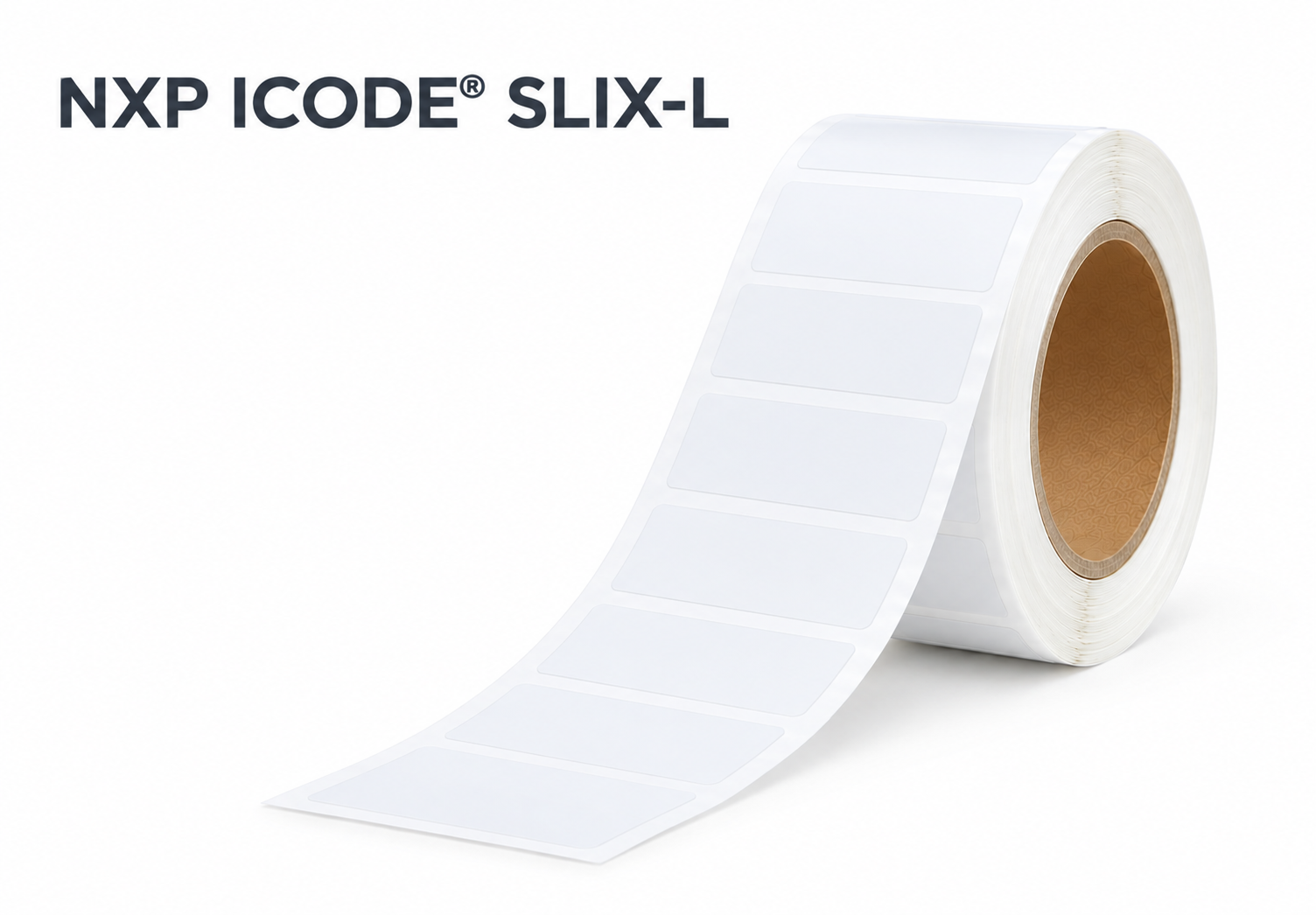
What Is NXP ICODE SLIX?
NXP ICODE SLIX is a 13.56 MHz HF RFID chip designed for intelligent label and vicinity identification applications.
It supports ISO/IEC 15693 and ISO/IEC 18000-3 Mode 1 standards and is commonly associated with applications requiring contactless identification and inventory management.
Typical applications include:
- Library book identification and management
- Pharmaceutical and medical device identification
- Product authentication
- Industrial production management
- RFID asset identification and tracking
ICODE SLIX provides 896 bits of user memory and supports functions such as EAS, AFI, password protection and memory write locking.
It is a suitable reference for understanding established ISO 15693 RFID systems and maintaining compatibility with existing SLIX-based projects.
**Important product lifecycle note:** NXP currently marks the original ICODE SLIX as Not Recommended for New Designs and recommends ICODE SLIX2 or ICODE 3 as alternatives, depending on the application and chip configuration.
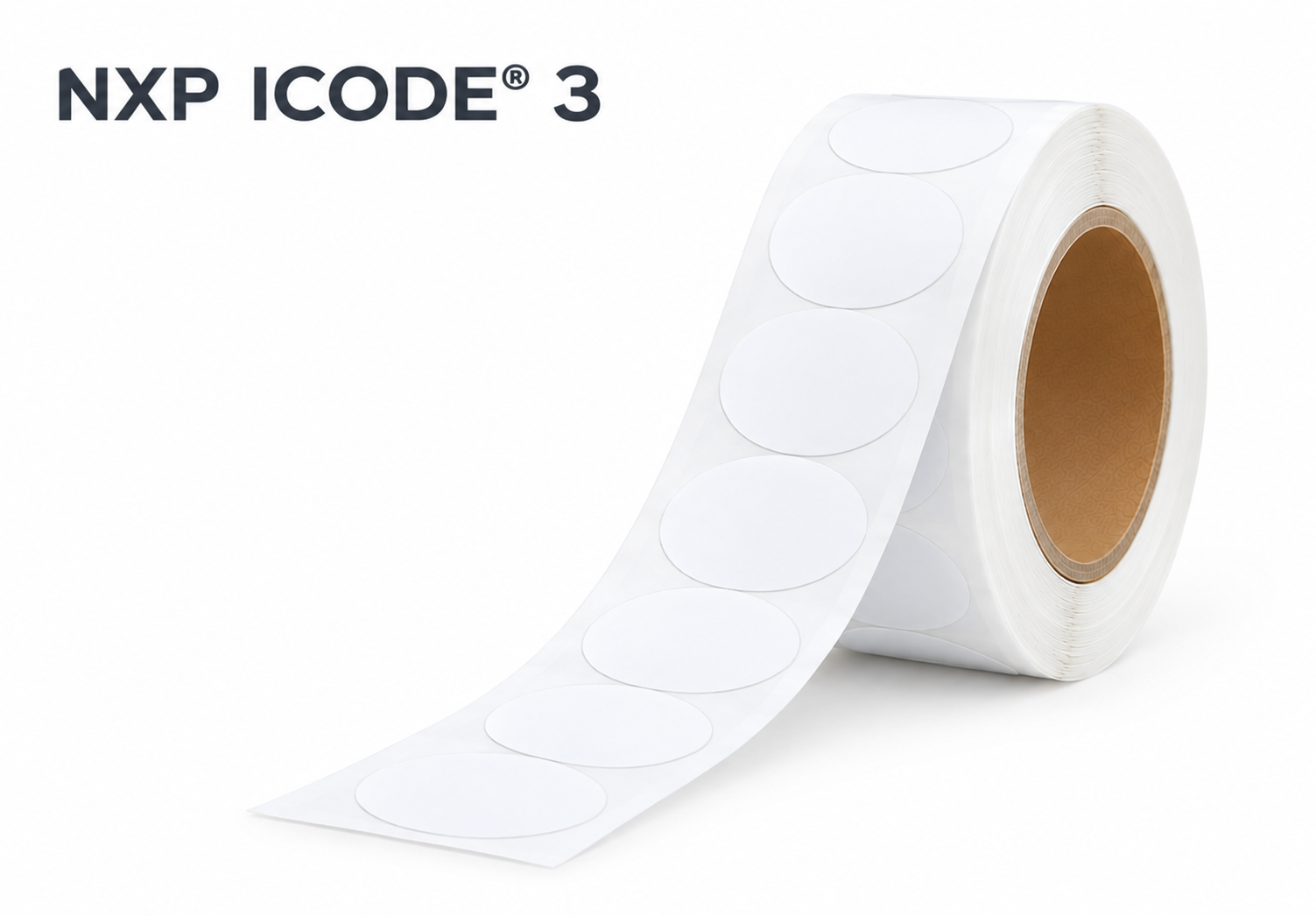
What Is NXP ICODE 3?
NXP ICODE 3 is a next-generation 13.56 MHz HF RFID chip designed for applications requiring improved RF performance, faster data transfer and extended NFC functionality.
It complies with ISO/IEC 15693 and NFC Forum Type 5 Tag specifications.
Compared with the original ICODE SLIX, ICODE 3 provides larger user memory and additional features for modern RFID and NFC applications.
Key features include:
- 2,400 bits of user memory
- Fast data transfer rates of up to 212 kbit/s
- Configurable 24-bit counter
- Customizable Originality Signature
- Password-protected memory and privacy functions
- Automatic SELFAdjust RF performance optimization on the 23 pF version
- Extended NFC functionality with automatic data mirrors
ICODE 3 is suitable for product identification, product tracking, inventory management, anti-counterfeiting applications and enhanced NFC interactions.
The ICODE 3 TagTamper version also provides optional tamper-detection functionality for applications requiring first-opening or package-status monitoring.
ICODE 3 vs ICODE SLIX: Key Differences
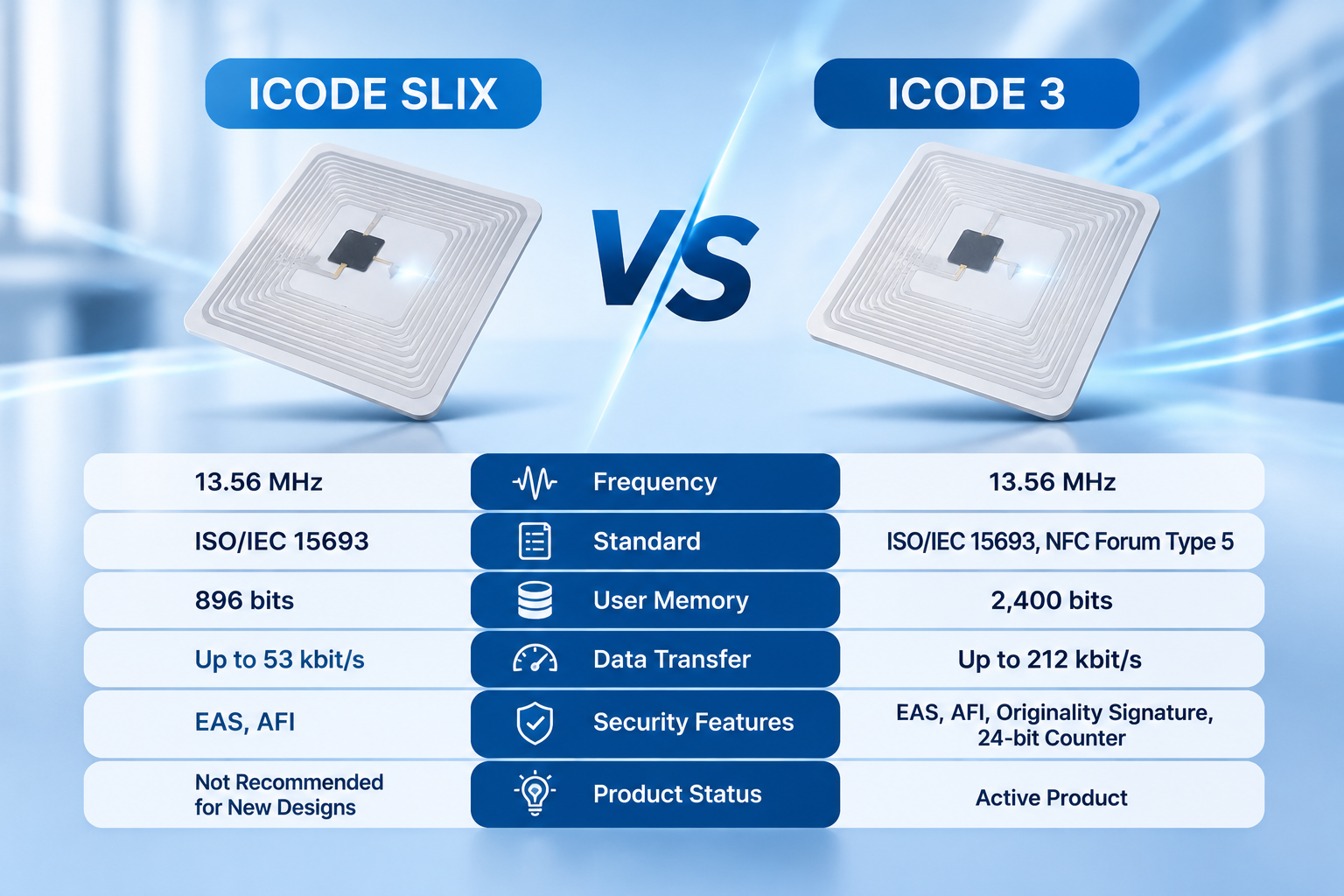
Understanding the technical differences is essential when selecting an RFID chip for a new project.
| Comparison | ICODE SLIX | ICODE 3 |
| Operating Frequency | 13.56 MHz | 13.56 MHz |
| RFID Standard | ISO/IEC 15693 | ISO/IEC 15693 |
| NFC Forum Type 5 | Not specified as a feature | Supported |
| User Memory | 896 bits | 2,400 bits |
| Data Transfer | Up to 53 kbit/s | Up to 212 kbit/s |
| Anti-Collision Speed | Up to 60 units/s | Up to 90 units/s |
| Password Protection | 32-bit password functions | 32-bit password functions |
| Originality Signature | Not supported | Customizable |
*Note: The comparison refers to the original ICODE SLIX, not ICODE SLIX2. Feature availability and performance depend on the specific IC version and configuration.*
Which RFID Chip Is Better for Your Application?
There is no single RFID chip suitable for every project. The right choice depends on your existing system, memory requirements, reading environment and application functions.
Choose ICODE SLIX for Existing RFID System Compatibility
If your project already uses ICODE SLIX tags and the existing reader, software and encoding process are designed around this chip, maintaining the original specification may be important.
Potential applications include:
- Existing library RFID systems
- Established product identification programs
- Legacy industrial RFID projects
- Replacement tags for existing installations
For new projects, however, customers should evaluate the newer alternatives recommended by NXP.
Choose ICODE 3 for New RFID and NFC Projects
ICODE 3 offers larger memory capacity, faster data transfer and additional NFC features.
It is worth considering for:
**Product Identification and Tracking**
ICODE 3 can support product identification and tracking throughout manufacturing, distribution and supply chain operations.
**Industrial Inventory Management**
Its fast inventory capabilities and improved RF performance make it suitable for RFID inventory and industrial identification projects.
**Product Authentication and Brand Protection**
The customizable Originality Signature can help verify tag origin and support anti-counterfeiting solutions when integrated with an appropriate verification system.
**Smart Packaging and NFC Interaction**
Extended NFC functions and automatic data mirrors can support interactive product information and consumer engagement.
**Tamper Detection Applications**
The optional ICODE 3 TagTamper version supports first-opening and tamper-status detection, making it relevant to packaging and product integrity applications.
How to Select the Right ICODE RFID Tag for Your Project
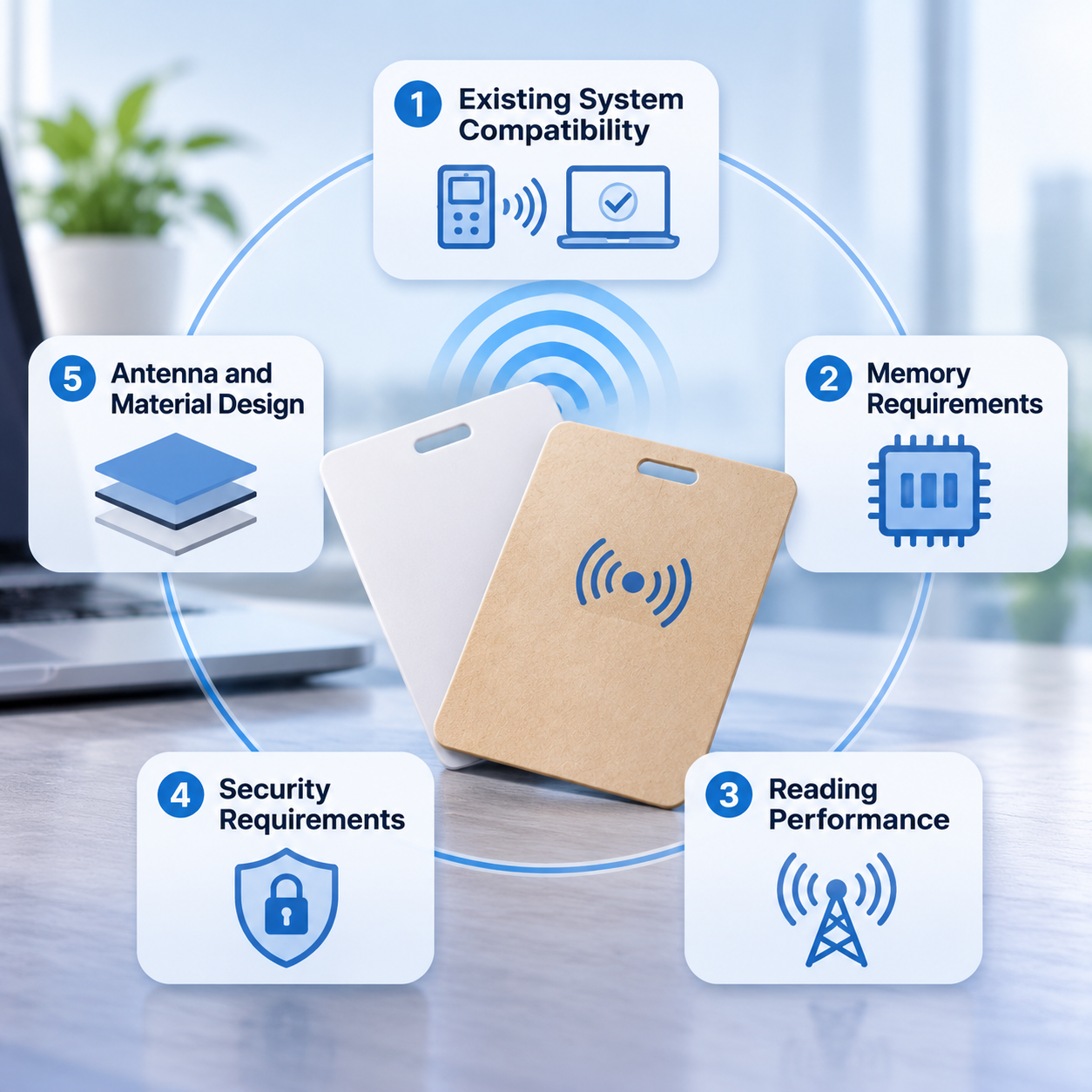
Before choosing an ICODE chip, businesses should evaluate several important factors.
**1. Existing System Compatibility**
Check whether your RFID readers, software and encoding systems support the selected chip and its required commands.
**2. Memory Requirements**
Determine how much data needs to be stored on each RFID tag. ICODE 3 offers 2,400 bits of user memory compared with 896 bits for the original ICODE SLIX.
**3. Reading Performance**
Consider the required reading speed, reading distance, antenna design and operating environment.
**4. Security Requirements**
Evaluate whether your project needs password protection, originality verification, privacy functions or tamper detection.
**5. Antenna and Material Design**
RFID performance is influenced by antenna geometry, tag construction, surrounding materials and installation conditions. Testing the complete RFID tag is essential before mass production.
Custom ICODE RFID Cards and Tags by Union Smart
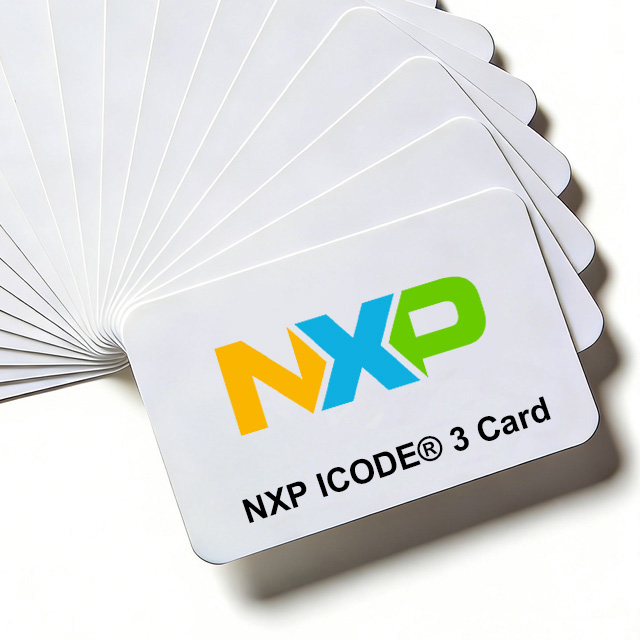
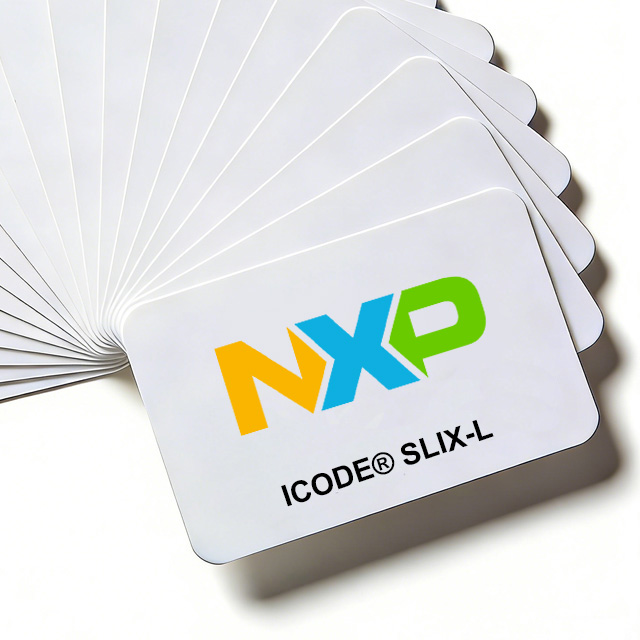
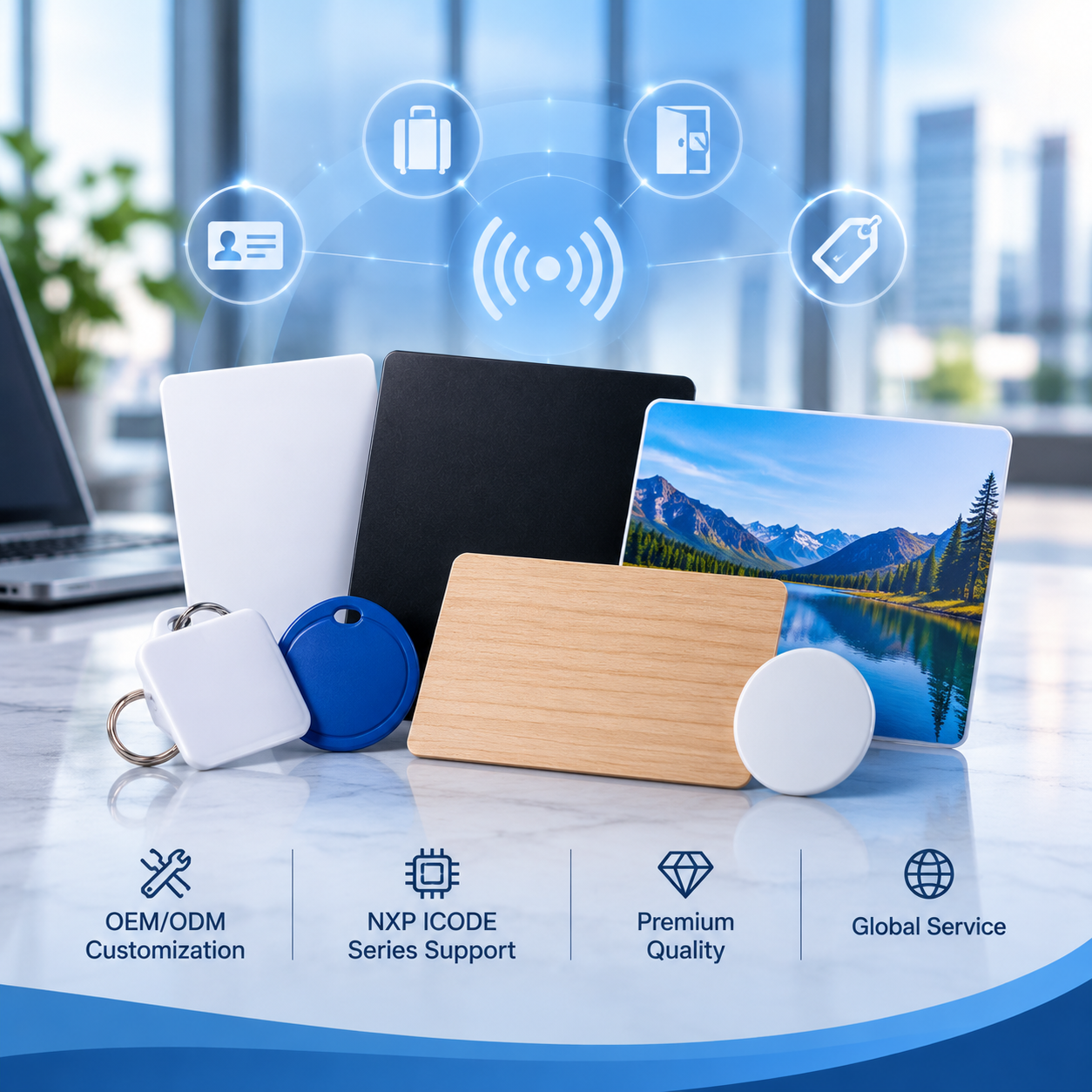
Union Smart specializes in custom RFID/NFC cards, RFID labels and smart identification products for global B2B customers.
We provide OEM/ODM manufacturing services for projects using NXP ICODE series chips and other RFID/NFC technologies.
Our customization capabilities include:
- **Chip Selection:** Support for different NXP ICODE series chips according to project requirements.
- **Antenna Design:** Customized antenna structures based on chip specifications and application needs.
- **Card and Label Materials:** Multiple material and product construction options.
- **Printing and Branding:** Customized product appearance, logos and printing.
- **Data Encoding:** UID-related processing and customized data encoding according to project requirements.
- **OEM/ODM Manufacturing:** Support from product development and sample testing to bulk production.
Whether you need ICODE 3 RFID cards, ICODE SLIX-based tags for an existing system or customized HF RFID solutions, our team can help evaluate the appropriate product configuration.
Conclusion: ICODE 3 or ICODE SLIX?
ICODE SLIX remains relevant when maintaining compatibility with existing RFID systems, but its product lifecycle status should be considered when planning new projects.
ICODE 3 offers larger user memory, faster data transfer, additional NFC functionality and improved RF performance, making it a strong option for many new HF RFID applications.
For businesses developing new RFID cards, labels and industrial identification products, selecting the right chip should involve evaluating the complete application rather than comparing chip specifications alone.
Looking for custom NXP ICODE 3 RFID cards or ICODE series tags? Contact Union Smart for professional RFID/NFC OEM and ODM manufacturing support.